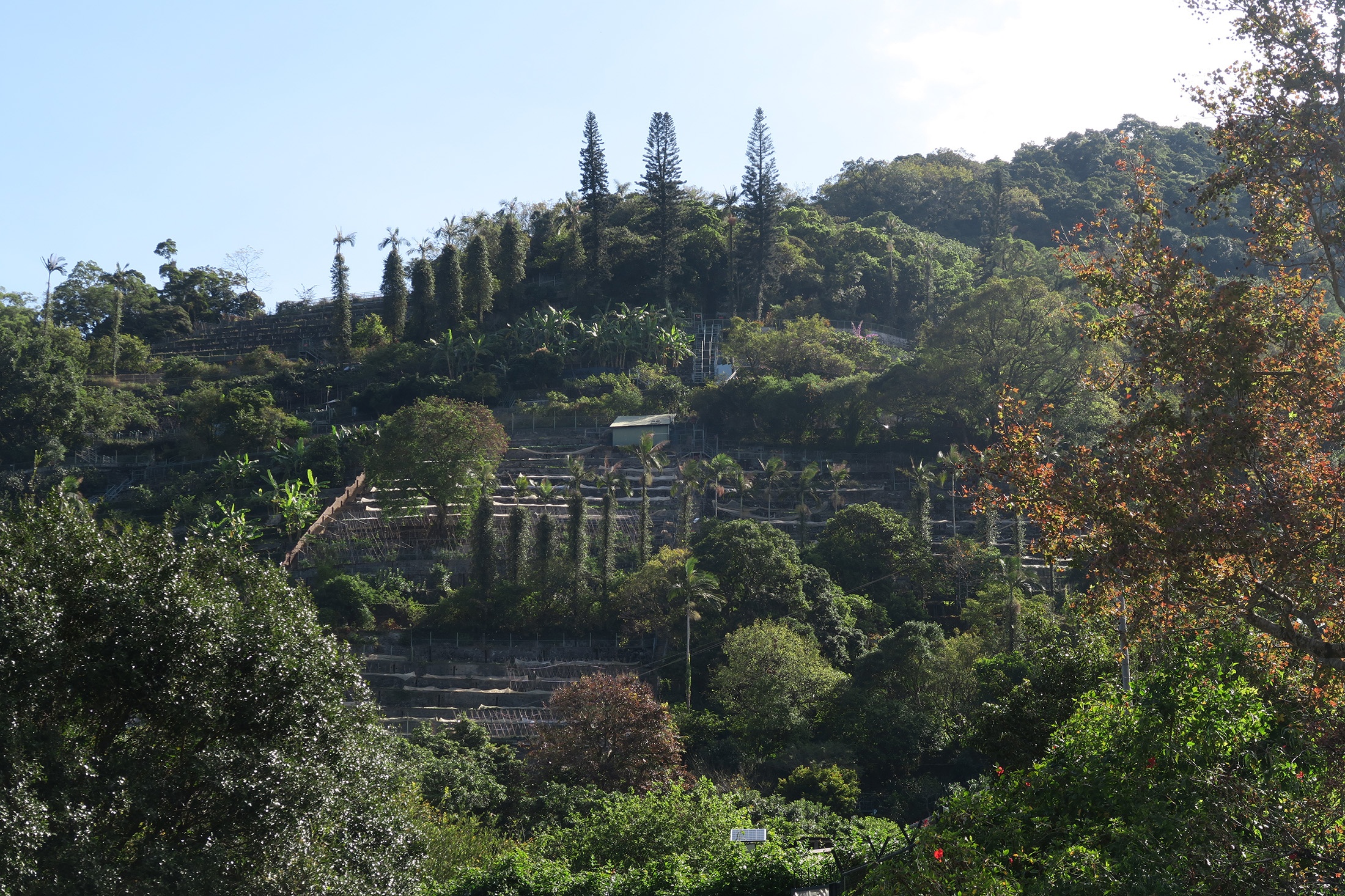
Upon my return to Hong Kong in 2024, I was mesmerised by the luscious mountains across the territory. I thought that no matter what pressure was enacted upon the city, its landscape could evade these constraints. After all, plants are an organic and uncontrollable organism emanating from the natural processes of life, fauna and flora tied to forces much larger than ourselves. As research with Lemeeze Davids grew, however, we realised that our landscape is often indicative of larger patterns of oppression and human intervention.
Our findings led me to Kadoorie Farm, a botanical garden established in the 1950s to teach local communities to sustain themselves through farming. One of their current objectives is to reintroduce Hong Kong’s indigenous plants to the city. How one classifies a plant as ‘native’ has been a source of debate, and the inherent tension arising from this situation has led artists to explore their own experiences of displacement in conversation with nature. With Hong Kong, this tension takes a particularly incisive twist as the majority of its trees were planted by the British administration. What struck me as nature’s unruly and autonomous presence was, in fact, colonial engineering. Moreover, the planting was done by taking seeds from other British settlements, making Hong Kong a site of transplantation, and its landscape a fusion of its sister colonies.
With this in mind, the words of the docent at Kadoorie stayed with me: “Plants are quite surprising, the ones you see right now are the most resilient ones. Unlike animals, they are rooted in place and cannot leave. They have no choice but to survive.”
The resilience of plants becomes a double-edged sword. Often seen as a symbol for the overcoming of unlikely odds, it could also be interpreted as rooted imprisonment or immobile survival, with the romanticism giving way to coerced stagnation instead. Agency is bifurcated under human intervention, no longer fully embodied and potentially hinting at encroachment rather than emancipation.
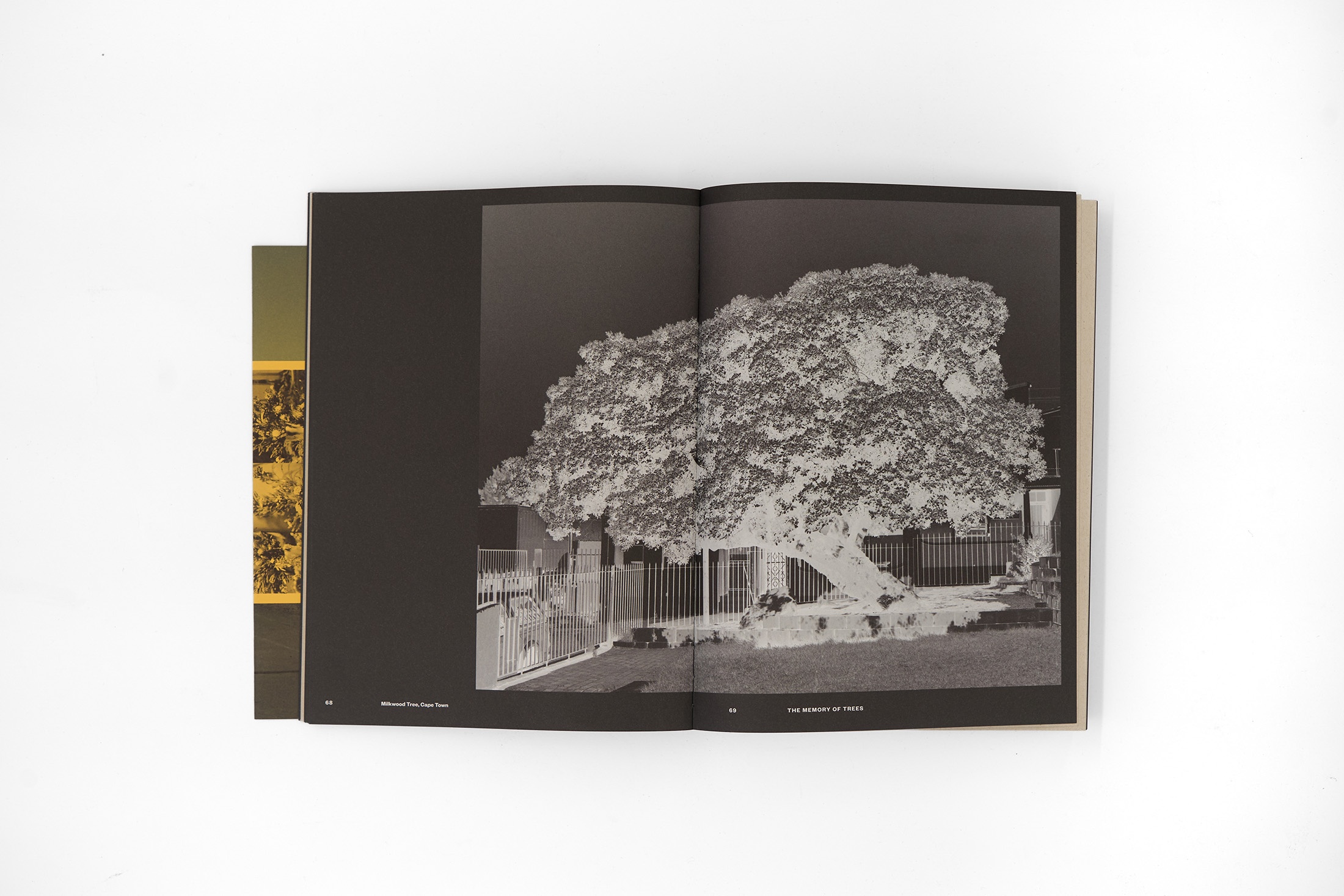
I start thinking of Uriel Orlow’s The Memories of Trees series, where the artist photographs key trees in South African history. Some that have been used as locations for slave trading, others as identifiers for safe houses during the anti-Apartheid struggle. Milkwood Tree, Cape Town depicts an ancient tree marking where Portuguese explorers were killed by the native Khoikhoi in an act of revenge, and where, centuries later, enslaved people were hanged from its branches. Orlow presents nature as a receptacle for memory. His photography demonstrates how the environment is a reflection of our own engagement with it, asking us to consider how shifting our gaze from the anthropocene to the natural can offer a useful lens through which we can better address the human condition. Power is best observed by the outsider after all, rendering nature a potent mirror and vessel by which we can analyse our culture.
Yet, part of our ongoing research is to also look at the disruption plants can engender, how they can become potent instruments of subversion even as they are co-opted. The Port Jackson willow is a useful example. Native to Australia, it was planted in 1848 to stabilise loose sand covering the road between Cape Town and Bellville. Following its success, it was disseminated along the Cape Coast, testifying to the use of trees in structuring, planning, and organising the environment. The willows were soon abandoned and started spreading uncontrollably, draining water along the way before being declared an invasive species.1 This poetic collapse marks a double downfall: that of human authority over nature’s evolution and that of the colonial project in mastering the land.
NATURE AS A BORDERING AGENT
While Cape Town was envisioned as a garden, Hong Kong was developed because of two plants: Camellia sinensis, used to produce tea, and Papaver somniferum, to produce opium. Our two cities were associated with botanical life from their very inception as colonial outposts. While The Company’s Garden (the oldest garden in South Africa) was created to grow produce and replenish ships passing the Cape of Good Hope, Hong Kong became a major port absorbing the British East India Company’s goods before redistributing them to mainland China. We could think of Cape Town as a supply station and Hong Kong as a trading platform, both shaped in relation to European imperialism and its propensity to absorb and relocate resources from around the world in its favour. These seemingly opposite cities have emerged as a useful coupling to analyse what shape postcolonialism can take through an ecological and Afro-Asian lens.
The British administration started strengthening its efforts in conceptualising Hong Kong’s landscape around the 1870s. Their plan to morph it into an idealised oasis was a blend of colonial assertion, sanitary beliefs and aesthetic rationale. Trees were mainly planted along public roads and near European dwellings2 as ornaments to create shade. Later, they evolved into private gardens being thought of as enclaves “of peace and domesticity in an otherwise sterile and hostile land”.3
A testament to the above, Jan van Riebeeck’s hedge in Cape Town’s Kirstenbosch Gardens was planted as a boundary for the newly established colonial settlement, and as protection for their livestock from the Khoikhoi. The hedge, which also appears in Orlow’s photographic series, thus demarcated one community from another and created a sheltered area removed from outside threats. In Hong Kong, this enclavist ideal was modelled in conversation with British gardens, serving as shelters from the “denuded and unremittingly stark landscape, where the ‘hot glaring tropical summers’ threatened to overwhelm Europeans”4.
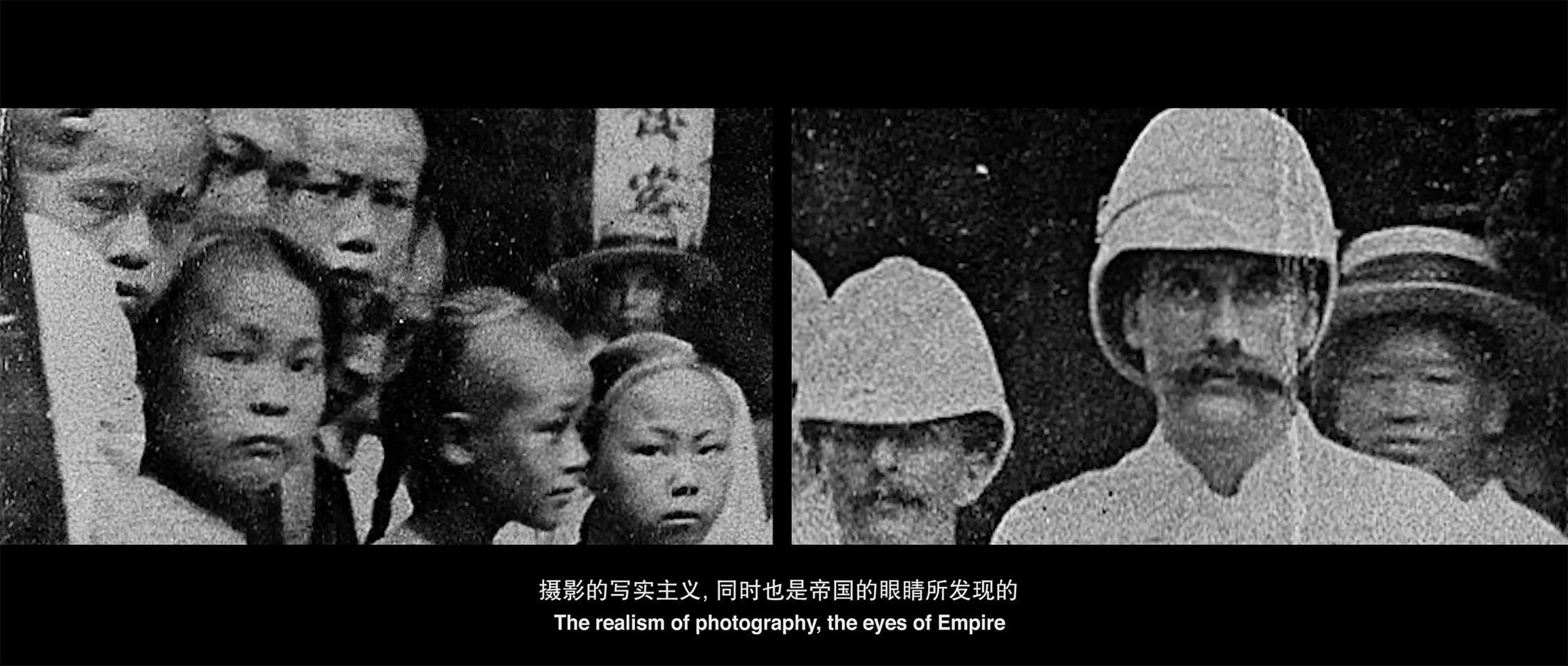
Tropical weather was believed to induce miasma, as detailed in Bo Wang and Pan Lu’s two-channel video Miasma, Plants, Export Paintings. The work takes China and Hong Kong as case studies and expands on the relationship between botany, British imperialism and orientalist views. Racial imaginaries and their patriarchal counterparts were circulated alongside seeds and plants, forming a global network of European elite researchers whose aim was to establish scientific sovereignty over nature. This is the background upon which the relationship between vegetation and urban planning is made clear in the film, pointing to the inherent power dynamic in the greening of Hong Kong.
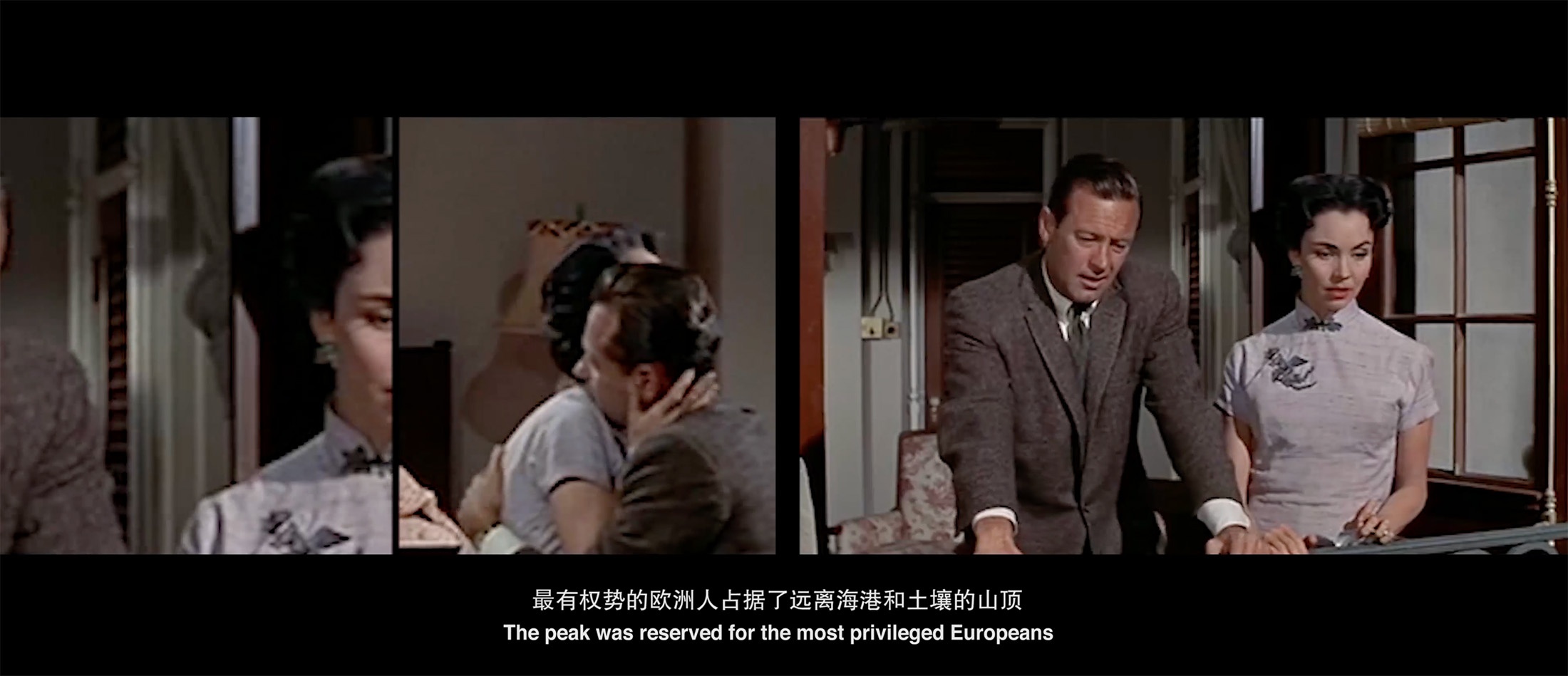
Nature was often sexualised into a female landscape; Hong Kong was “frequently abstracted into a gendered terrain, with the ‘naked’ and ‘barren’ landscape imagined as an indecently exposed and brutalized female body whose virtue…[was] to be restored by the…regulation of the land”5. Miasma, Plants, Export Paintings hints at how “the vertical segregation on Hong Kong island”6 was partly done in conjunction with planting the territory. It started with street planting and was executed with Chinese labour7 concentrated in British areas, which came to “emphasize the informal segregation of the city”8.
The Victoria Peak, a hill on Hong Kong Island, was reserved for European elites, far from the harbour and crowded lower district reserved for the Chinese, who had been slowly driven downward9. Later, afforestation was also seen as an effective way to sanitise the environment: during the malaria outbreak of 1888, it was hinted that tree planting could be an effective way to prevent disease10. Nature, then, became both a tool deployed where needed to prevent contamination, while also becoming a buffer zone where the power dynamic between coloniser and colonised would play out. As Wang and Pan express in their film: “Air, light, density and vegetation are all determined by one’s social and racial status.” In a roundtable discussion organised by A4 Arts Foundation and hosted at Delfina Foundation, that Davids and I facilitated, she remarked that “if Cape Town sprawls, Hong Kong stacks”.11
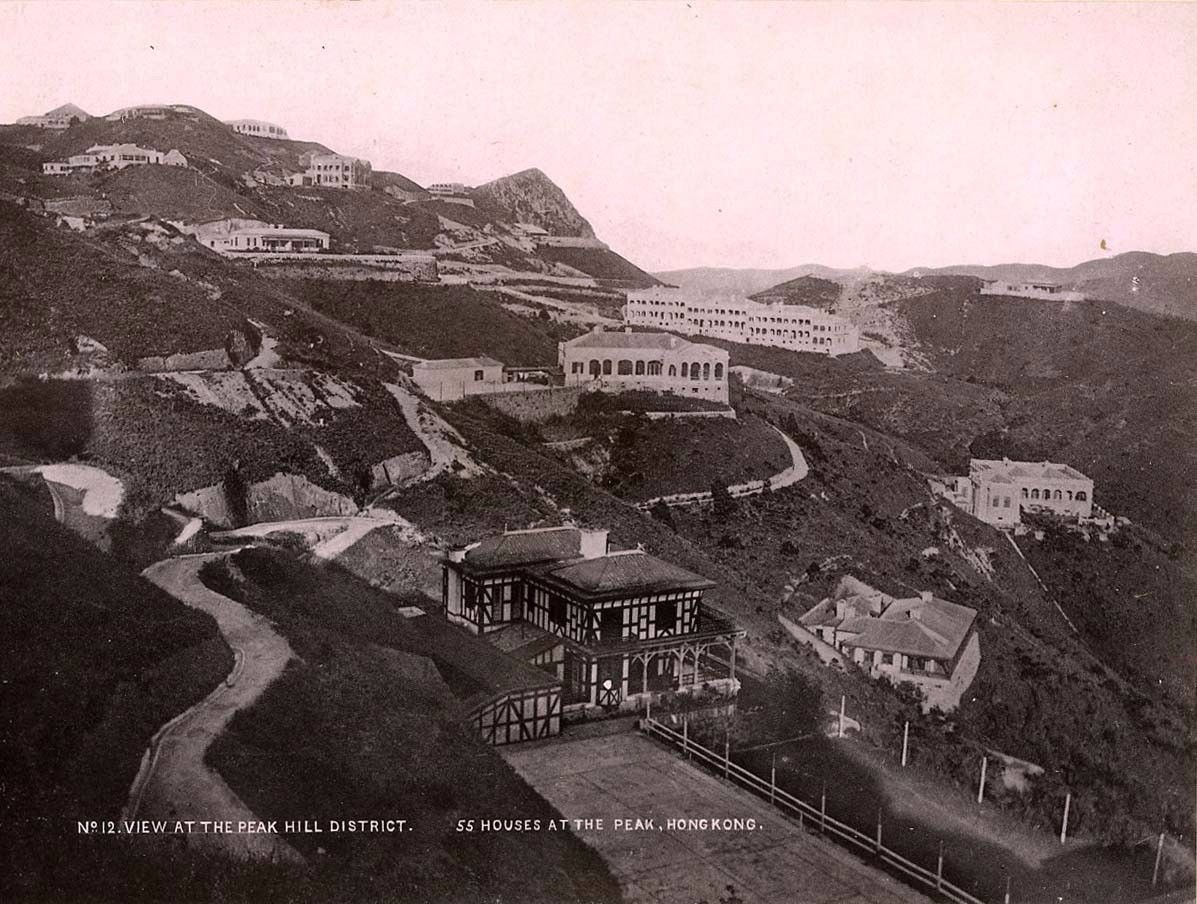
A common theme emerges from our observations so far: the dispossession of local resources and the engineering of seclusion through the organising of the land. The Company’s Garden was established by the Dutch East India Company (VOC), which intercepted the Camissa River running through the site. The VOC contained its access to a single well in the garden, effectively cutting off indigenous people from their natural resources. The natural world often has a cultural and spiritual link with its inhabitants: “mountains, forests, oceans, and rivers were, and still are, considered sacred for their mystical healing properties and their intermediary role in connecting supreme beings and ancestors to Indigenous people.”12 This makes the classifying and dividing of land not only an exploitative effort but also an insidious onslaught on local traditions. In Hong Kong, when the British administration carved a road in Happy Valley, the local Chinese were horrified at the disturbance of the natural landscape. The placement of the path amounted to amputating the dragon’s limb in Feng Shui.13 Yet, as the administration carried on with its restructuring, notably with the construction of a reservoir in Pok Fu Lam, the Chinese community assumed the foreigners to have more knowledge about Feng Shui than they did.14 As indigenous knowledge comes into contact with colonial codification, a friction emerges with local traditions often being discarded, severed or absorbed. “Greening demonstrated control over nature and the superior ability of the colonists in the proper stewardship of the land. It visually established an authority for occupation.”15
A NETWORK OF WEALTH – PLANTATIONS AND THE PLANT HUNTER
On a local scale, vegetation has been used as a literal border, on a global scale, it was used as a financial and scientific asset. The clearest way this manifests is through the plantation system with its industrial crops. In her publication Science and Colonial Expansion: The Role of the British Royal Botanic Gardens, Lucile Brockway details that “except for staple foods, the exchange of tropical plants between the two hemispheres was carried out predominantly by Europeans under the plantation system, a system of commercial agriculture oriented toward export and based on a coerced or servile labor force... accumulating capital for the development of their industrial societies”.
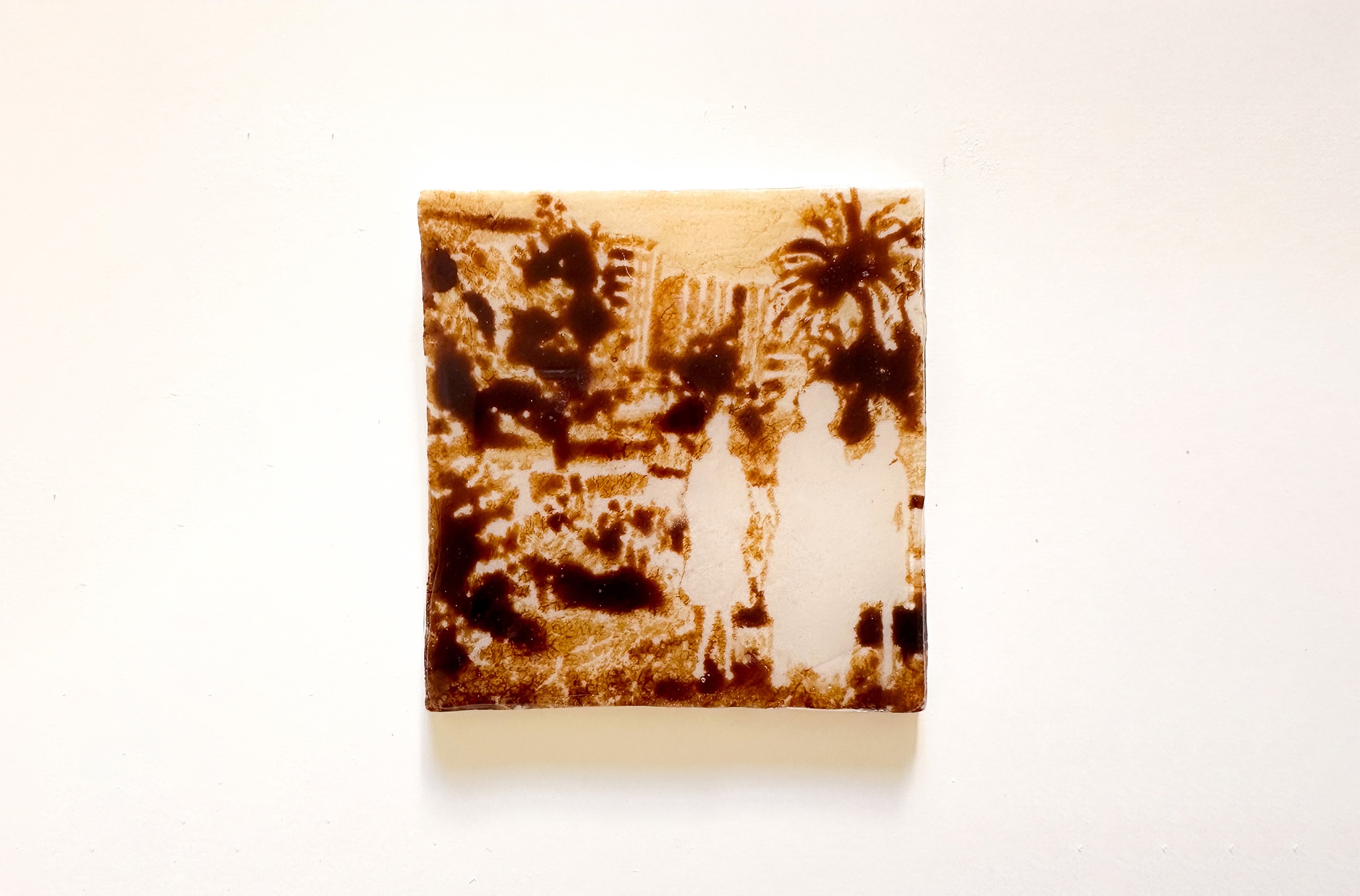
Zenaéca Singh is an Indian South African artist using sugar as a primary material with which she creates intricate paintings depicting family photographs. Looking at the history of sugar plantations, she invests her time and effort into the same substance that was mass-produced by her ancestors’ indentured labour. In the 1880s, there were more than 74 mills crushing between one and two tonnes of cane per day in Natal (now KwaZulu-Natal), where indentured labourers from India were employed. By 1939, annual production had reached 475 000 tonnes with 23 factories operating and 145 000 hectares under cane.16 Navigating sweetness and stickiness as concurrent conditions, the artist first makes a sugar paste substrate before painting it with molasses, layering the substance at will while playing with opacity and transparency. There is a fragility to her work, some images surviving the process better than others. The resulting pieces seem at risk of crumbling, the pictures evasive and blurry, yet their presence is undeniable – a fluidity that looks at the entanglement of colonialism, slavery and ancestry. Singh looks at how memory can be encapsulated within this messy medium. Multiple narratives and references converge, turning this crop into the artist’s own method of exploration and healing.
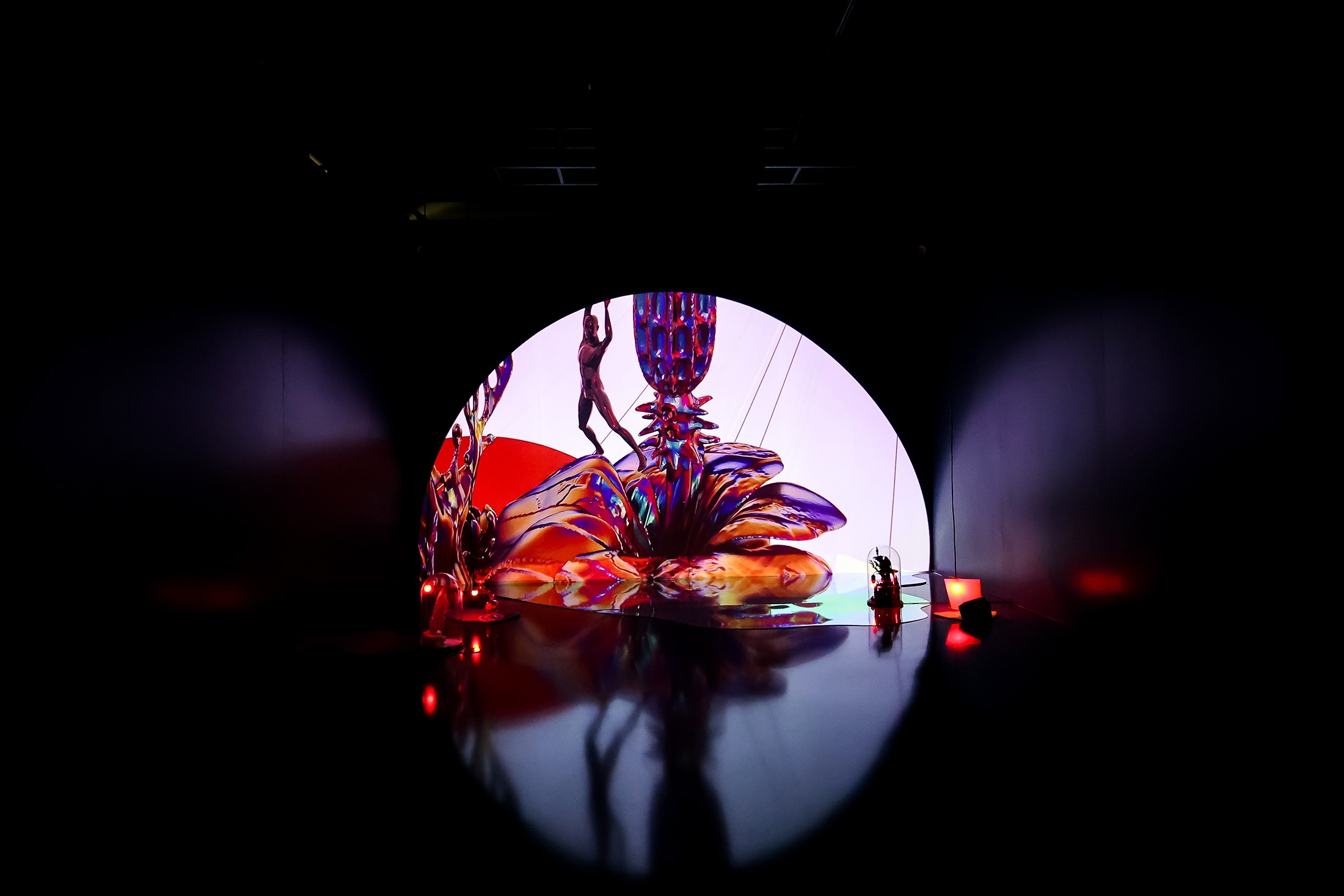
As Singh looks at the impact of plantations, Hong Kong artist Vvzela Kook has been investigating the figure of the colonial ‘plant hunter’. Seed and plant transfers were essential to plantations of food and nonfood plants, yielding sugar, spices and coffee or waxes, dyes and oils. Plants contributed heavily to the economic enrichment of European countries, notably tea, which was the British East India Company’s prime source of revenue during the 18th century.17 Columbus of Horticulture (2019) is an installation and video animation depicting botanists in their frenzied excitement while scouring new exotic plants and seeds. The video is accompanied by small glass vitrines arranged throughout the space. We can make out three botanical specimens encased inside each of them – a tea tree, rubber tree and orchid – all three being central pillars of plant trafficking, marking the colonisation of South America, India and Hong Kong. The artist creates a network of solidarity from the subsuming of natural resources by imperial forces, while also rendering the botanical hunter as ridiculous, showing them as a swarm of fanatical explorers, obsessive and excessive in their pursuit. By the end of the video, they rain down from the sky, an invasion of ant-like figures crowding the fictitious island Kook has created.
GARDENING INITIATIVES
With nature emerging as a contentious site where imperial powers play off, it is no coincidence that artists have been looking at land and farming as potent ways of reclaiming ownership of their environment. These practices emerge as useful reimaginings of land care, where the tension of colonialism bends under the slow and purposeful reinvesting of intentional labour. MADEYOULOOK is a South African interdisciplinary artist duo comprising Molemo Moiloa and Nare Mokgotho. The artists describe their work as examining everyday black lived experience, often overlooked, to restructure our relationship to the city. The collective noticed the similarities between the governing, collecting, and categorising characteristics of the garden and the museum as two European structures and created a garden installation, Ejardini (2018), in response.
The garden becomes a site outside of the migrant and exploitative labour regimes that removed so many black South Africans from the potential of their labour, but also resulted in limited time for leisure or self-investment.18
They looked at photographic records of black gardening in South Africa and unearthed how the reimagining of this practice has been a powerful tool of agency. The photos referenced gardens that were grown before, during and after apartheid-era forced removals, testifying to the belief in one’s right to remain despite the spatial violence. Modelling these elements onto the museum, the duo showcased a cultivated installation composed of plants from township gardens, interspersed with images from their archival research. Not unlike Singh’s work, Moiloa and Mokgotho invoke resilience through the reconfiguration of labour and productivity.
Interestingly, MADEYOULOOK has collaborated with a Hong Kong-based farming collective before, Sangwoodgoon, already exploring the ecological link between South Africa and Hong Kong. The duo invited Sangwoodgoon, in collaboration with HK Farm, to participate in Izwe: plant praxis, an exhibition between 2019 and 2020, on land justice that they curated for the Goethe Institut Gallery. The collaboration presented cross-contextual solidarity as a way to rebuild land practices in conversation with one another. MADEYOULOOK, Sangwoodgoon and HK Farm all concentrate on DIY approaches, using relationality and gatherings as useful activities for community-making. In a correspondence with MADEYOULOOK, they collectively recounted how: “The strongest connections between our contexts was in the ongoing search for everyday models of how we can reimagine relationships to the land, one another as people, and to the more-than-human. In both instances, small-scale, ordinary and traditionally rooted practices offered ways in which we could begin to reformulate these relationships.”
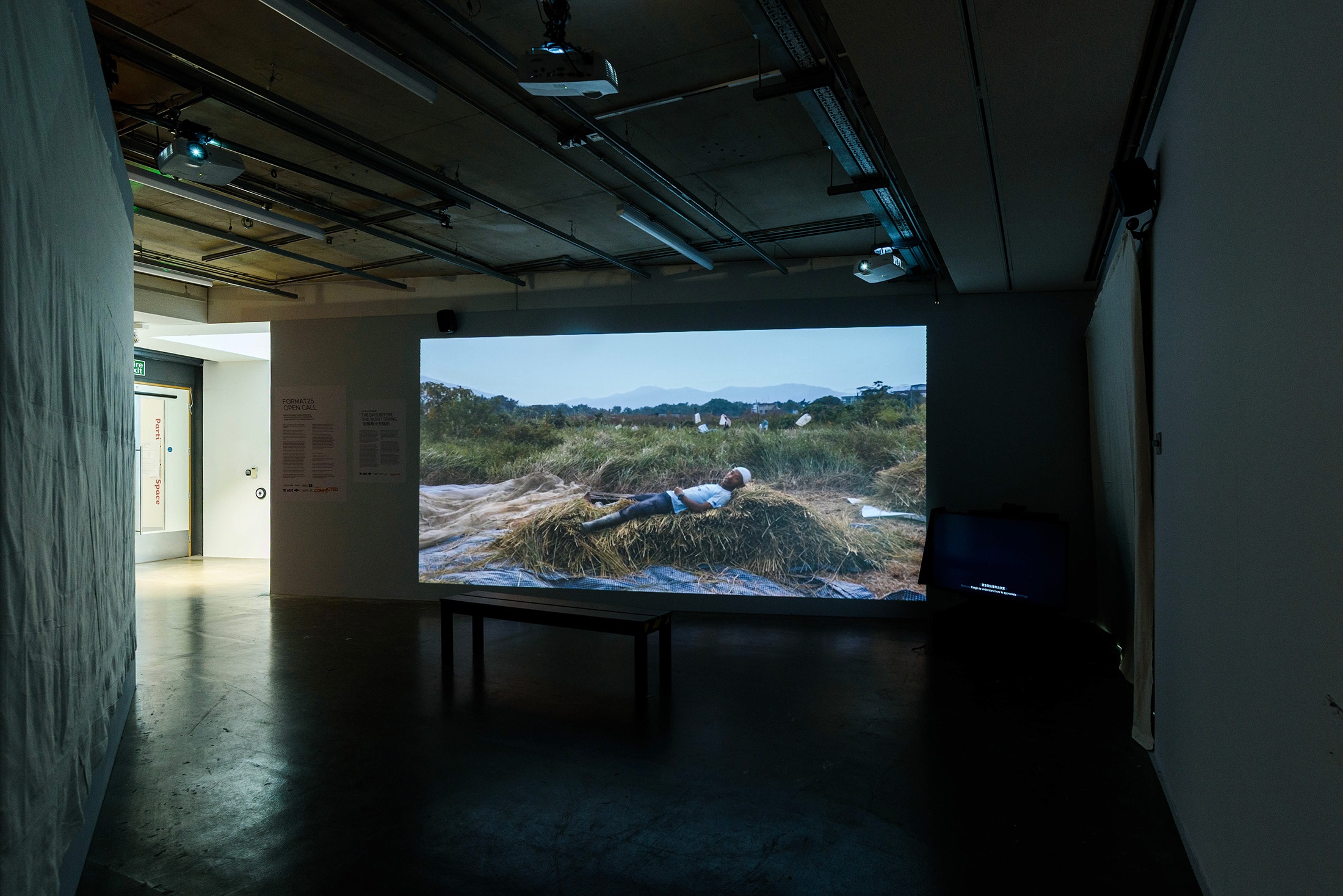
Sangwoodgoon is a farming collective based in the New Territories, Hong Kong. It emerged from the 2009 Anti-High-Speed Rail and Choi Yuen Village movements, centring community, land, and activism. Looking at land care and self-sustenance, they have also participated in multiple exhibitions and shows concentrated on ecological and farming issues. Working through a wide range of materials such as video, sound and zines, they were recently invited by the British multi-disciplinary collective Assemble, with Common Treasures and Films M/T, to be featured in Merchants and Warriors (2025), a proposal for the 2025 Macau Biennale.
When I first heard about Sangwoodgoon, I found its existence to make perfect sense in our present-day context. There is something inherently political about growing your own food on your own land when the system we inhabit insists on community dispossession. Moreover, with the significant outsourcing of our agricultural products – which severs the link between farmer and consumer – the localised scale reaffirms a belief in the importance of domesticity and autonomy. The occupation of land in relation to the above is what makes their practice momentous. Small-scale farming allows for agency within a society that constricts access to resources, be it food or land. In the context of the climate crisis, these practices also offer a potent alternative requiring less harmful methods than industrial farming. Both MADEYOULOOK and Sangwoodgoon offer responses to contemporary challenges by understanding and emphasising the significance of land use.
–
Throughout my phone calls with Davids, similarities between our two port cities keep on appearing. Our interest in botanical imperialism stems from its potential in shining light on otherwise invisible links between various territories and how the planting of colonial cities can inform their internal structures. This seemingly innocuous doorway highlights the spatialisation of our cities as something that can dislodge static certainties, notably that Cape Town and Hong Kong are two distinctly different places with nothing in common. This essay is part of a larger project based on kinship and curatorial interest, exploring ecological and urban overlap as an act of Afro-Asian solidarity.